In the rapidly evolving landscape of digital gaming, the principles of user-centered design (UCD) have become indispensable for retaining players and sustaining long-term engagement. At its core, user-centered design emphasizes the needs, preferences, and experiences of players, ensuring that every element of a game is crafted with the user in mind. This approach contrasts sharply with more developer-focused methods, where features may be implemented based on technical capability or aesthetic vision rather than on the actual needs of the end user. By placing the player at the heart of the design process, game developers can create experiences that are intuitive, engaging, and emotionally satisfying, which directly impacts retention rates.
A fundamental aspect of UCD in gaming is the understanding of player behavior and motivation. Players engage with games for various reasons—some seek challenge and skill mastery, others look for social interaction, and many are drawn by storytelling and immersion. Conducting thorough user research, including surveys, interviews, and gameplay analytics, allows developers to identify these motivations and design features that cater to them. For example, a game might introduce adaptive difficulty levels to accommodate both novice and experienced players, ensuring that the game remains accessible without compromising challenge. This adaptive approach, rooted in user-centered thinking, helps prevent frustration and disengagement, which are common causes of player churn.
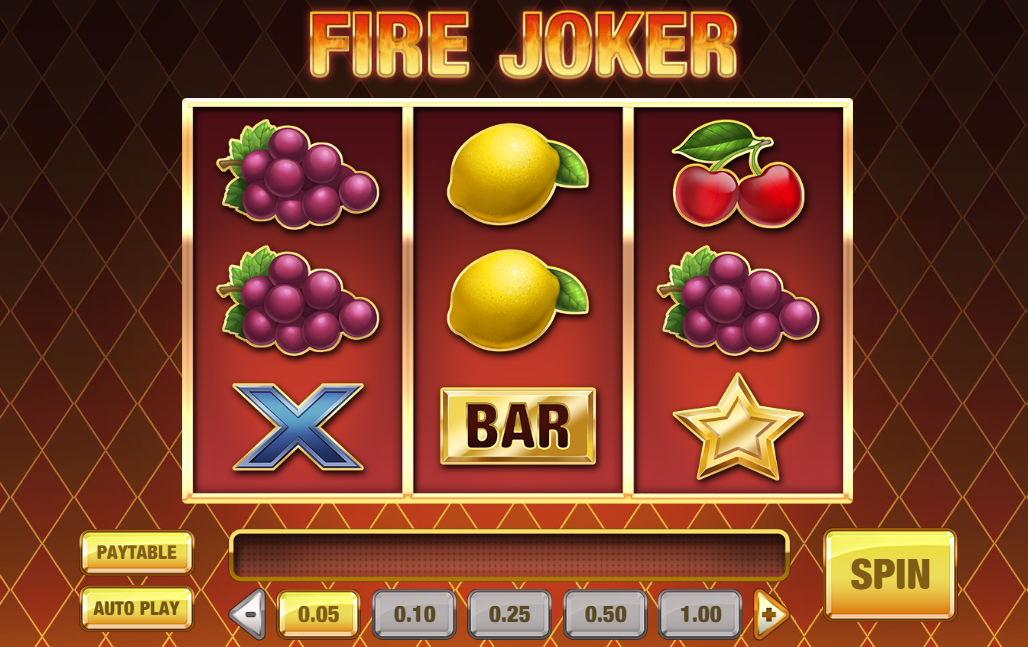
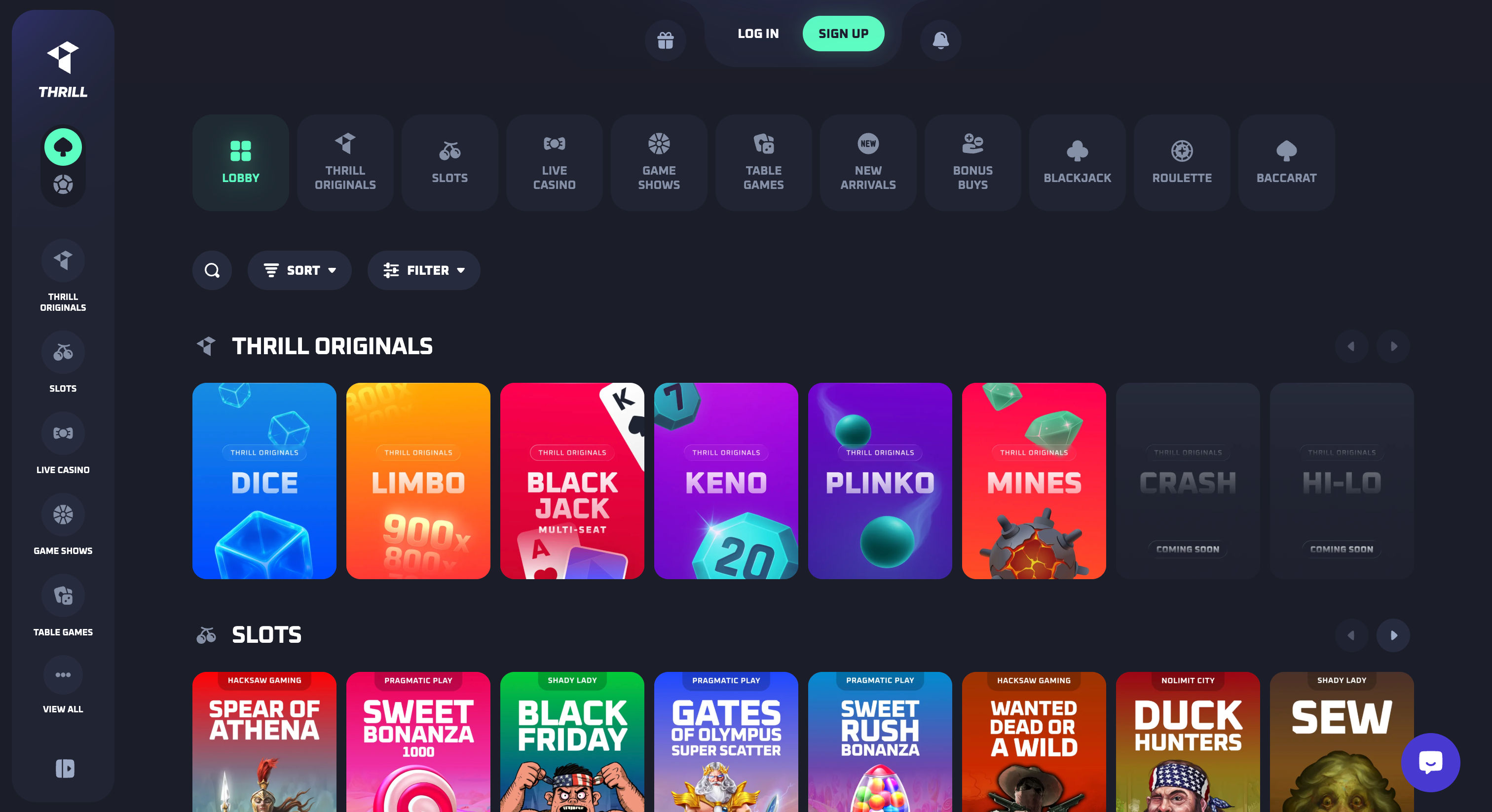
Intuitive interfaces are another critical element of user-centered design. A well-designed interface minimizes cognitive load, allowing players to focus on gameplay rather than struggling with controls or navigation. This includes logical menu structures, clear feedback on actions, and consistent visual language throughout the game. When players can quickly understand and master the interface, they feel a sense of competence and confidence, which fosters continued engagement. In contrast, confusing or inconsistent interfaces can lead to frustration and abandonment, regardless of the quality of the game’s content.
Beyond interfaces, feedback mechanisms play a pivotal role in maintaining player interest. User-centered design prioritizes timely, meaningful feedback that reinforces player actions. Visual cues, auditory signals, and haptic responses all contribute to a sense of responsiveness and reward. For instance, a satisfying animation or sound effect following a successful action can enhance the player’s sense of accomplishment, making them more likely to continue playing. Conversely, a lack of feedback or delayed responses can create a disconnect between player input and game output, undermining engagement. By carefully designing these feedback loops with the user in mind, developers can reinforce positive behavior and deepen emotional investment in the game.
Personalization is another powerful tool within the framework of user-centered design. Modern players expect experiences tailored to their preferences, whether through customizable avatars, adjustable control schemes, or personalized content recommendations. By allowing players to shape aspects of their gaming experience, developers foster a sense of ownership and autonomy. This not only enhances satisfaction but also increases the likelihood that players will return, as the game feels uniquely attuned to their desires. Moreover, personalization can extend to gameplay pacing, difficulty, and social interactions, ensuring that the game remains relevant and enjoyable over time.
Accessibility is a crucial yet sometimes overlooked aspect of user-centered design. Ensuring that games are playable by individuals with diverse abilities broadens the potential audience and demonstrates a commitment to inclusive design. This includes features such as colorblind modes, scalable text, alternative input methods, and adjustable audio cues. When players feel that their needs are acknowledged and accommodated, they are more likely to develop loyalty to the game. Accessibility is not only a matter of ethics but also a strategic consideration for retention, as it removes barriers that might otherwise lead to disengagement.
Continuous iteration and testing are inherent to user-centered design. Unlike static development approaches, UCD involves ongoing evaluation of how players interact with the game and making adjustments based on real-world feedback. Playtesting, usability studies, and analytics inform developers about which features resonate, which elements confuse, and where friction occurs. By responding to this data, developers can refine gameplay, streamline interfaces, and introduce new content that aligns with player expectations. This iterative process ensures that the game evolves in harmony with its audience, reducing stagnation and keeping engagement high.
Social features within games also benefit from user-centered design. Many players derive enjoyment from interacting with others, whether through cooperative gameplay, competitive leaderboards, or community events. Designing these features with player needs in mind—ensuring clear communication channels, fair matchmaking, and meaningful rewards—enhances the social dimension of gaming. When players feel connected to a community and perceive their contributions as valued, they are more likely to invest time and energy into the game, fostering retention through social bonds.
The emotional experience of players is a subtle yet powerful focus of user-centered design. Beyond mechanics and interfaces, developers consider how a game makes players feel. Positive emotions such as joy, excitement, and pride drive engagement, while negative emotions like frustration or confusion can lead to churn. Through narrative design, reward systems, and sensory feedback, UCD seeks to craft experiences that evoke desired emotional responses. By understanding the emotional arcs that resonate with players, developers can create moments that linger in memory, motivating players to return and continue their journey.
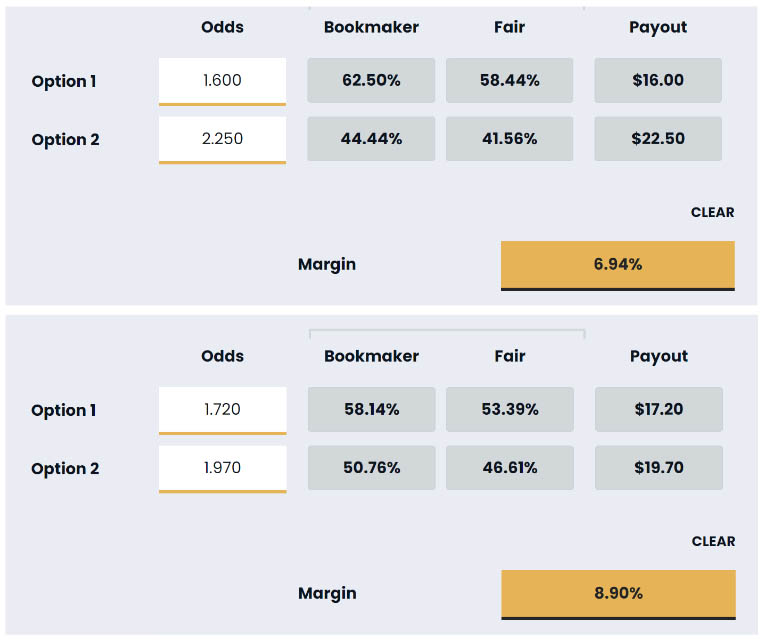
Moreover, transparency and fairness in game mechanics are essential for retention. Players are quick to disengage if they perceive that outcomes are arbitrary, manipulative, or unfair. User-centered design promotes clarity in rules, probabilities, and reward structures, allowing players to make informed decisions and feel a sense of control. This transparency builds trust, which is a cornerstone of long-term player loyalty. When players trust that the game operates consistently and fairly, they are more inclined to invest time, effort, and sometimes monetary resources.
In conclusion, user-centered design is not merely a development methodology; it is a philosophy that places players at the core of every decision. By understanding player motivations, creating intuitive interfaces, delivering meaningful feedback, personalizing experiences, ensuring accessibility, iterating based on user data, fostering social connections, attending to emotional engagement, and maintaining transparency, games can cultivate lasting loyalty. Retention is not achieved through novelty or superficial appeal alone—it is earned by consistently providing experiences that resonate with players on practical, emotional, and cognitive levels. Games that embrace user-centered design do more than attract players—they keep them coming back, building communities and sustaining engagement over time. In a competitive market, this focus on the user is often the defining factor between transient interest and enduring success.