
Familiar patterns in design, whether in digital interfaces, games, or everyday objects, play a surprisingly powerful role in shaping user confidence. When people encounter patterns they recognize, the brain processes information more efficiently, reducing cognitive load and creating a sense of ease. This recognition is not simply about aesthetics; it has a profound impact on decision-making, trust, and engagement. In environments where uncertainty is present, such as online platforms, financial tools, or entertainment applications, familiar patterns can serve as anchors that guide users, providing reassurance that their actions will lead to predictable outcomes.
In the context of interactive experiences, such as gaming or online interfaces, familiar patterns help users anticipate results and navigate systems more effectively. When elements like buttons, menus, or feedback cues follow conventional patterns, users can rely on their past experiences rather than learning anew each time. This predictability fosters a sense of competence, allowing users to engage more deeply without anxiety or hesitation. For example, a user who encounters a slot machine or a software interface that mimics standard layouts from previous experiences will feel more comfortable exploring options and making decisions because the environment aligns with their internal expectations. The familiarity acts as a cognitive shortcut, enabling faster comprehension and more confident interaction.
Beyond immediate functionality, familiar patterns influence emotional responses. Humans are wired to prefer consistency and recognizable structures, which evoke a sense of stability and control. When confronted with novel or irregular arrangements, users may experience hesitation or uncertainty, often second-guessing their choices. Conversely, consistent patterns reassure users subconsciously, signaling that the environment is trustworthy and manageable. This psychological comfort extends to perceptions of quality and reliability. Products, platforms, or applications that adhere to familiar patterns are more likely to be perceived as competent, professional, and user-friendly. Users often equate predictability with stability, which increases confidence in both the interface and the outcomes of their interactions.
The principle of familiarity also affects learning and retention. Cognitive psychology research indicates that repetition and pattern recognition are key drivers of memory formation. When users repeatedly encounter familiar structures, their brains form mental models that streamline future interactions. These mental models reduce errors and the need for conscious deliberation, making complex tasks feel more intuitive. In a practical sense, this is why many successful platforms maintain consistent layouts across pages and functions. Users develop a sense of mastery over the system, which reduces frustration and increases the likelihood of continued engagement. Confidence grows because the user understands the rules of the environment and can predict consequences accurately.
In addition, familiar patterns facilitate social and cultural alignment. Many patterns in design, behavior, and interaction draw from widely shared experiences or norms. For instance, icons like a magnifying glass for search, a shopping cart for purchases, or arrows for navigation are instantly recognizable due to their prevalence across applications and media. By leveraging these universally understood patterns, designers reduce ambiguity and help users feel immediately competent. This alignment with collective expectations strengthens confidence not only in using the interface but also in understanding the broader context, reinforcing trust and reducing anxiety in decision-making processes.
Familiarity also plays a strategic role in influencing user behavior. When designers incorporate recognizable cues, users are more likely to engage with the interface in predictable ways. This can enhance efficiency, minimize errors, and optimize the user journey. Confidence, in this sense, becomes a self-reinforcing cycle: familiar patterns promote correct interactions, which yield successful outcomes, which in turn reinforce the perception that the user is capable and knowledgeable. Whether in gaming, e-commerce, or productivity software, this cyclical relationship between pattern recognition and user confidence is crucial for sustained engagement and satisfaction.
Moreover, familiar patterns mitigate the stress associated with uncertainty. In environments where decisions carry consequences, users naturally seek stability and predictability. Familiarity reduces the perceived risk of mistakes, enabling users to experiment or explore without fear of negative outcomes. This effect is particularly important in digital platforms that handle sensitive information, financial transactions, or competitive scenarios. By structuring interfaces and processes around recognizable patterns, designers provide a safety net, making users feel that their choices are guided and that errors, if they occur, are manageable. This sense of security directly translates into increased confidence and willingness to participate fully.
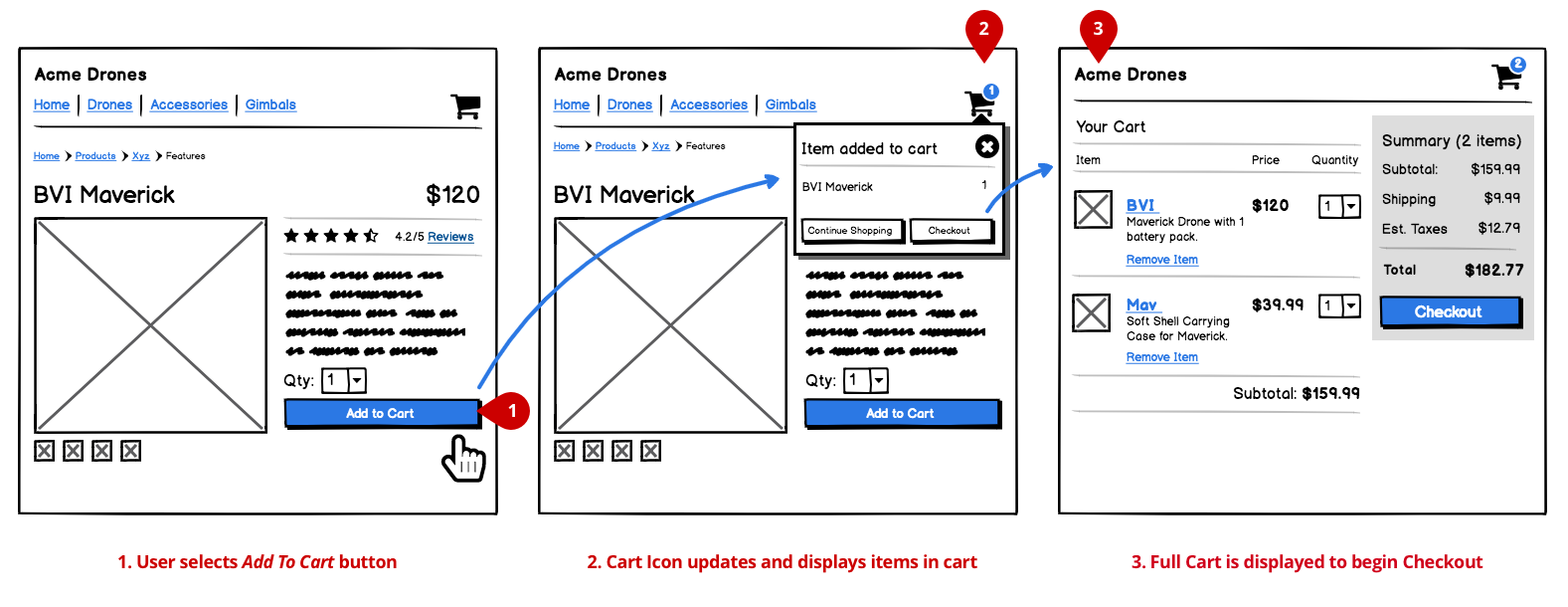
Another important aspect is the role of feedback within familiar patterns. Predictable response mechanisms, such as visual or auditory cues, strengthen confidence by confirming actions. When users press a button and receive the expected reaction, or when a system behaves according to established norms, the reliability of feedback reinforces the mental model built around familiarity. Over time, these repeated confirmations enhance trust and reduce hesitation. Users begin to approach the system with a proactive mindset rather than a cautious one, relying on their understanding of patterns to guide decisions.
The impact of familiar patterns extends beyond digital interfaces into physical environments and consumer products. In retail, for example, consistent shelving layouts, labeling conventions, and navigational signage enable shoppers to find products quickly, increasing satisfaction and confidence in the store experience. In transportation, standardized road signs, ticketing machines, and information boards allow travelers to act decisively even in unfamiliar locations. Across these domains, the underlying principle remains the same: familiarity reduces cognitive friction and builds certainty, empowering users to operate efficiently and confidently.
In conclusion, familiar patterns serve as a bridge between experience and expectation. They streamline cognitive processing, reduce uncertainty, and foster emotional comfort, all of which contribute to increased confidence. By providing predictable structures, consistent feedback, and culturally recognized cues, designers and creators enable users to engage effectively, make informed decisions, and trust the systems they interact with. Whether in digital applications, gaming platforms, consumer products, or everyday environments, the strategic use of familiar patterns is a fundamental driver of user confidence. Users who encounter these patterns are not merely guided—they are empowered to act decisively, explore more fully, and engage more deeply, creating an overall experience that feels intuitive, reliable, and satisfying.





Leave a Reply